Have you heard that a burst compressed air system can release energy equal to a stick of dynamite? Countless workshops continue to employ plumbing setups made from hazardous materials, unaware of the risks. This post clarifies why protection should come first.
Top Place To Purchase PVC For Air Compressor
In spite of rising interest in specific materials, OSHA strictly bans their use in surface installations. With time, exposure to oils and climate shifts compromises them, leading to major breakdowns. Even with “approved” PSI levels, the threat of explosions remains high.
For dependable options, Installation Parts Supply stocks robust solutions like aluminium. Spending on appropriate materials avoids costly fines and maintains factories secure. Let’s explore how to construct a safer setup.
Main Points To Remember
- OSHA prohibits certain plastics because of explosion risks.
- Pressure capacities fall as temps vary.
- Brittleness increases over time, increasing failure risks.
- Aluminum piping provides a safer substitute.
- Correct installation prevents expensive penalties and injuries.
Why You Should Avoid PVC For Air Compressor Lines
Producers explicitly advise against using some polymers for high-energy applications. Unlike water, pressurized air contains volatile power—a burst pipe can release impact similar to dynamite. This renders material
selection critical for protection.
- Fragility: Sub-freezing temps turn pipes fragile, raising fracture risks.
- Glue breakdowns: Joints deteriorate when subjected to lubricants or thermal cycling.
- Misleading ratings: Pressure capacity drops by half at 110°F—most shops exceed this.
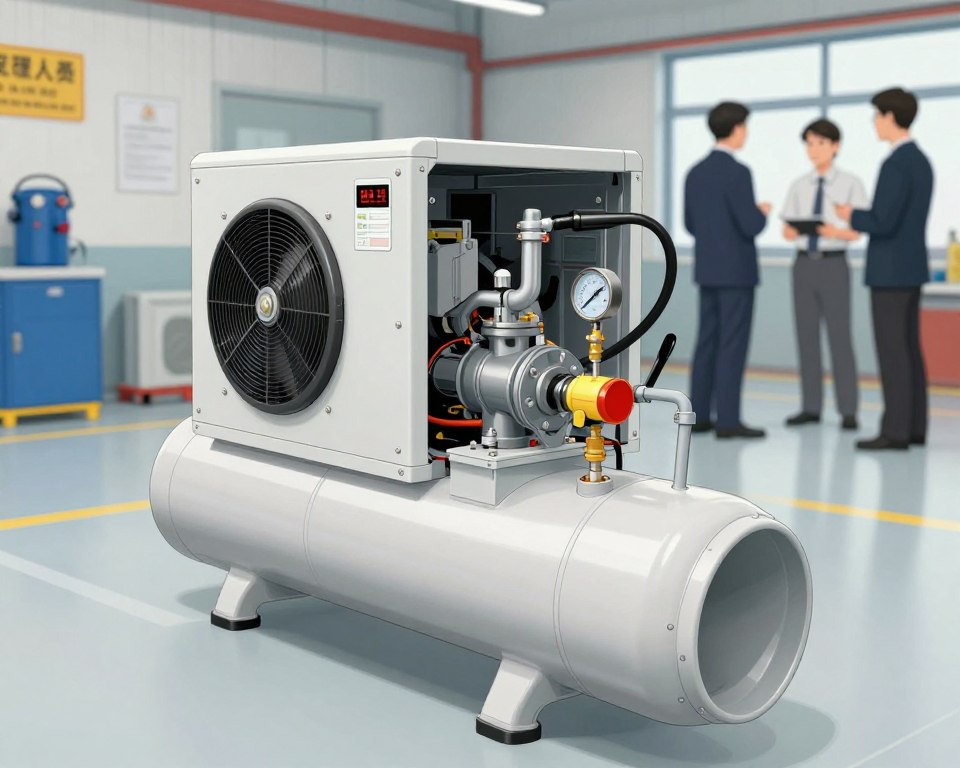
OSHA notes a hefty penalty following a facility’s piping shattered, injuring employees. The “compression heat” additionally lowers safety margins, a element often missed in specs.
“Surface usage of certain plastics for compressed air contravenes OSHA standards owing to burst dangers.”
Metal alternatives break more predictably, warping instead of fragmenting. On the other hand, plastic debris from explosive failures can travel over 50 feet, lodging in walls or equipment.
Facilities face everyday temperature fluctuations that accelerate material degradation. Over 10 years, sunlight damage and chemical reactions moreover weaken structure, transforming small drips into serious dangers.
Safer Piping Choices For Compressors
Aluminum piping systems surpass conventional choices in both safety and efficiency. Boasting significantly less leakage compared to iron pipe, they are a prime selection for modern facilities. Their lightweight design and corrosion resistance make them perfect for long-term use.
Modular aluminum systems reduce hours—no threading required. Installation Parts Supply provides pre-assembled sections that snap together. A regional car factory cut work expenses by forty percent following adopting this system.
- Copper Piping: Best for sterile areas because of natural antimicrobial properties. Requires soldering expertise.
- Steel Tubing: Resists corrosion in humid areas like coastal workshops.
- Plastic Composites: Solvent-proof for labs and plants using solvents.
“Upgrading to aluminum reduced power loss by 15%—paying for itself in 18 months.”
Torque matters. Too tight fittings crack, while loose ones drip. Follow manufacturer specs—usually 25–30 ft-lbs for aluminum joints.
In food processing settings, certified choices guarantee clean air. Constantly match pipes to your facility’s needs.
Choosing The Correct Piping For Your Facility
Selecting the right material for your system involves balancing cost, safety, and efficiency. A local plant preserved 12k per year by moving to leak-resistant aluminum. Here’s how to make the right decision.
| Material | Cost (per ft) | Upkeep | ROI Time |
|---|---|---|---|
| Aluminium | $8.50 | Low | 1.5 Years |
| Black Pipe | $5.00 | High | None |
| Copper Tube | 10.20 USD | Moderate | 24 months |
Temperature matters. Aluminum withstands extreme temps, whereas plastics crack in the cold. In areas with chemicals, steel resists solvents.
Pro Tip: Figure out return on investment via air loss math. A ten percent leak in a 50 HP system wastes $3,500 yearly.
- Match pressure specs to your machine’s power.
- Check safety standards for joint checks and stress testing.
- Request a complimentary site review from the supplier.
“The system upgrade reduced wasted power by fifteen percent—breaking even in 1.5 years.”
DIY installations are okay for hobby garages, but experts ensure sealed connections. Make sure to verify warranty terms—some materials protect for over a decade.
Wrap Up
Choosing the proper materials for your compressed air system goes beyond cost—it’s about protection. Research indicates 92% of failures happen in aged setups, frequently with hazardous outcomes. Aluminum provides near-perfect uptime, rendering it a wise long-term investment.
Main points:
- Avoid brittle materials that shatter under pressure.
- Choose rust-proof alloys like aluminum or steel.
- Non-compliant systems risk OSHA fines and insurance issues.
Prepared to improve? Installation Parts Supply offers fast estimates and limited-time discounts on starter kits. Download our complimentary maintenance template or call for emergency replacements.
Commit to safer piping today—your workers’ well-being depends on it.